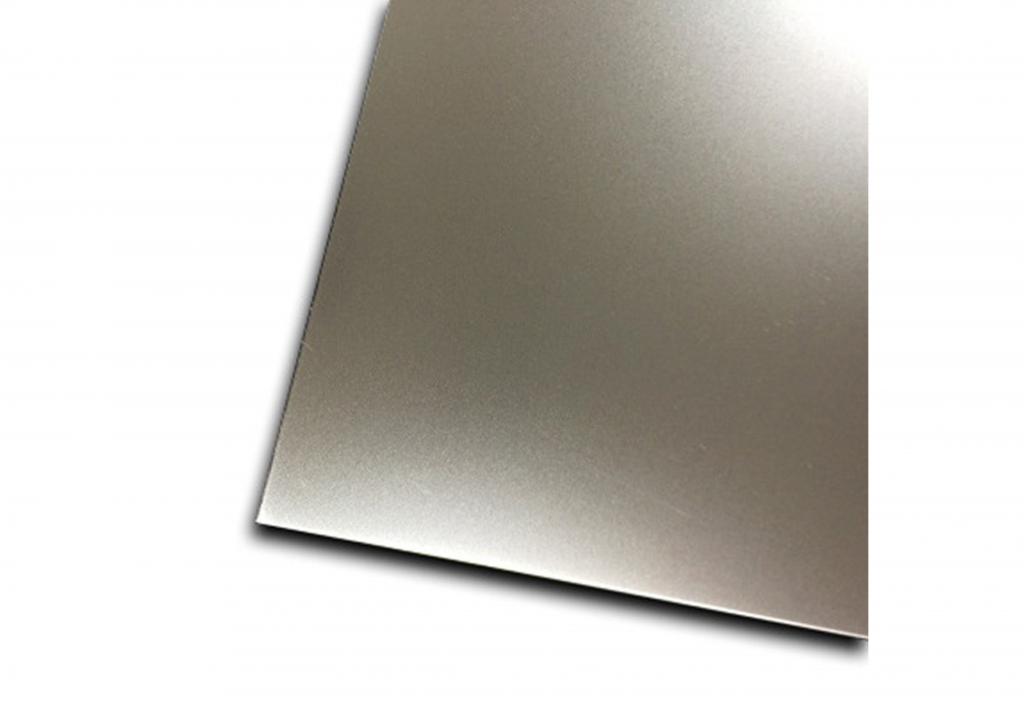
The abrasive glue-sand wheel can be reused many times, so it is trusted and chosen by many businesses because it helps save costs.
1. What makes metal polishing sand so popular?
Supporting industries such as automobile and motorcycle manufacturing, as well as the production of motorcycle sprockets and aluminum cast rims, commonly use metal polishing sand. This material is often used with shot blasting or sandblasting machines, and it can also be used to make abrasive glue-sand wheels as an alternative to metal polishing abrasives (or flap wheels).
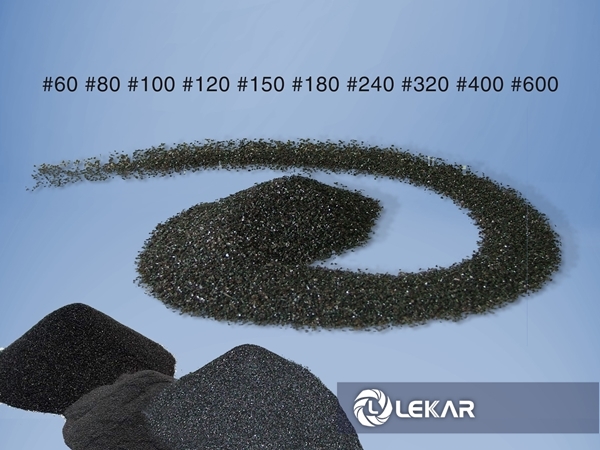
Grit sizes of metal polishing sand distributed by LEKAR
The abrasive glue-sand wheel can be reused many times, so it is trusted and chosen by many businesses because it helps save costs for the company.
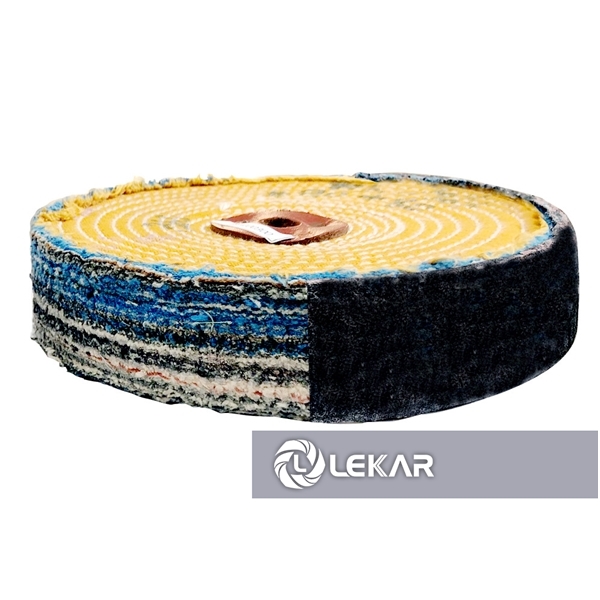
Image of an abrasive glue-sand wheel using metal polishing sand
Thanks to its low cost and easy application, abrasive sand has become an indispensable material in the metal polishing industry. This material is commonly used for coarse grinding (surface removal after machining) to create a smooth surface, ready for the subsequent fine polishing or powder coating process.
2. How to use metal polishing sand to create metal polishing wheels
step 1: to create a polishing wheel (buffing roll), the following materials are required:
- buffing roll: usually made from denim cloth. new rolls can be used directly, while used ones should be re-polished to remove old abrasive layers.
- adhesive: typically rubber glue or animal glue.
- abrasive sand: usually black or brown sand with grit size suitable for the intended application.
step 2: first, dip the polishing mop into rubber glue (used for coating abrasives). then, roll the glued mop over abrasive sand and tap it firmly and evenly so that the sand grains adhere tightly to the surface without falling off.
step 3: finally, place the polishing wheel in an oven to dry at the appropriate temperature. if an oven is not available, it can be sun-dried for a suitable duration.
Important notes when applying adhesive and abrasive sand:
Note: when not in use, avoid leaving the polishing wheel in normal temperature conditions to prevent moisture absorption.
Attention: apply the glue and abrasive sand evenly and in a moderate amount to ensure the glue is not excessive and the sand adheres uniformly to the surface of the roll.
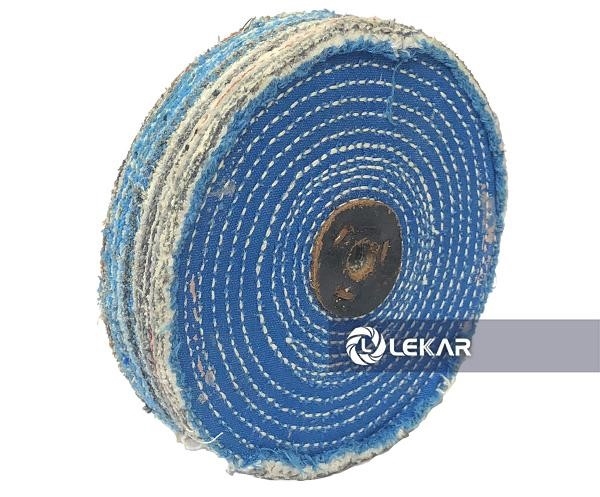
Image of a denim buff wheel commonly used for making sand-glue polishing wheels
3. Advantages of metal polishing sand distributed by LEKAR
Metal polishing sand is widely used in supporting industries thanks to its outstanding advantages that no other material can replace:
– Effective surface roughening: Each type of metal surface requires a suitable sand grain size. When combined with a sand blasting machine, polishing sand achieves high efficiency in creating surface roughness.
– Used in supporting industries: Polishing sand is preferred in manufacturing sectors such as automobile and motorcycle production, participating in processes like sprocket and aluminum rim manufacturing.
– Material for coarse grinding: With its excellent surface removal performance, metal polishing sand serves as a cost-effective raw material for producing abrasive wheels.
To achieve the best polishing results, users should choose high-quality polishing sand that meets standards and is supplied by reputable and reliable manufacturers or importers.
Refer to the following video for more information about abrasive sand and sand-glued polishing wheels:
4. LEKAR – The trusted destination for high-quality metal polishing sand in Vietnam
LEKA POLISHING TECHNOLOGY JOINT STOCK COMPANY – LEKAR GROUP
Head Office: No. 11, Louis VII Street, Louis City Urban Area, Dai Mo Ward, Hanoi, Vietnam.
Northern Branch – Lai Xa Industrial Cluster, Hoai Duc District, Hanoi | Tel: 02437 646469
Southern Branch – Nam Tan Uyen Industrial Park, Tan Hiep Ward, Ho Chi Minh City | Tel: 02873 033386
Website: danhbongkimloai.com.vn | lekar.vn