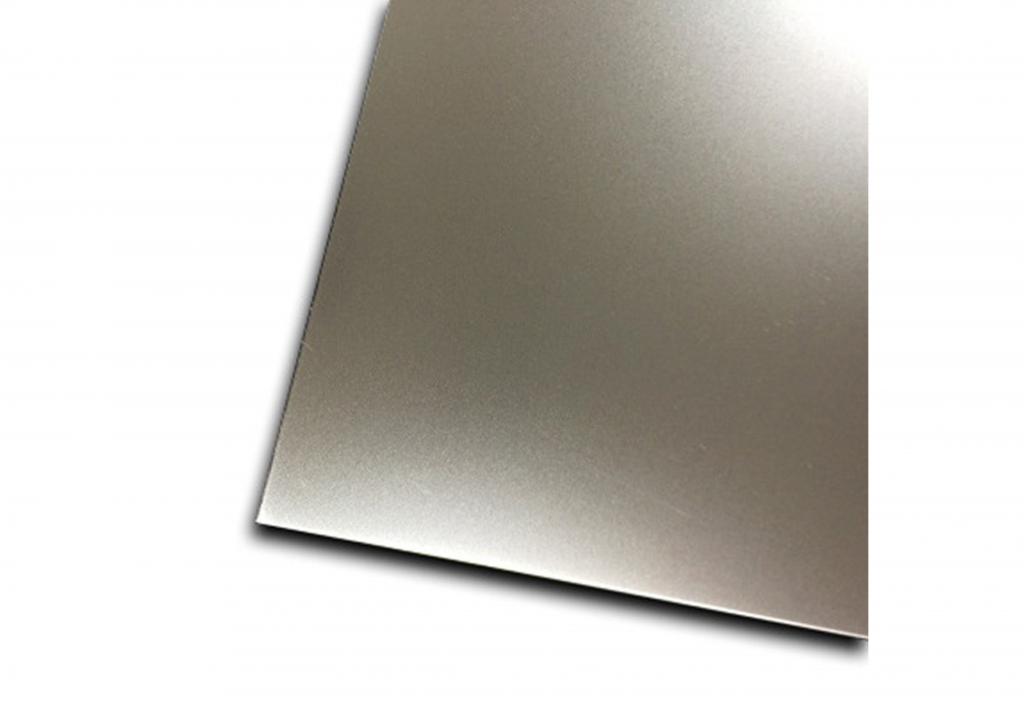
Abrasive belts for metal polishing are materials used in combination with various polishing machines to complete the finishing process of metal, wood, or stone products.
So, how can you choose the most suitable abrasive belt for the material your production requires? How can you ensure that you’re purchasing a high-quality product?
The following article will give you an overview of abrasive belts.
1. What is an abrasive belt for metal polishing and what types are there?
Essentially, an abrasive belt, also known as a sanding belt, is a type of sandpaper used for polishing product surfaces. However, unlike traditional sandpaper, abrasive belts come in a continuous belt form with greater flexibility and a wider variety of abrasive grain materials.
Abrasive belts are ideal for creating high-quality surface finishes and are widely used in the woodworking industry as well as in metal surface treatment applications.
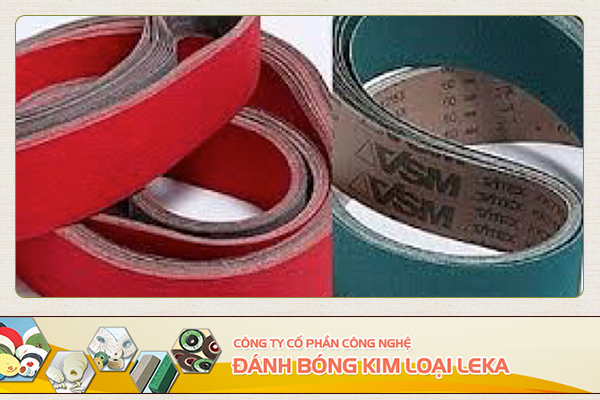
Abrasive belts come in a continuous belt form, offering high flexibility and a greater variety of abrasive grain materials.
Thanks to its soft and strong cotton fabric structure, the abrasive belt can easily roll when sanding, providing enough flexibility to reach even the most difficult areas.
Abrasive belts maintain stability and durability under harsh conditions, and are especially long-lasting when used with sanding machines.
2. Structure of an abrasive belt:
An abrasive belt consists of three main components:
- Abrasive grain (Grain): Common types include Ceramic, Silicon Carbide, Green Silicon Carbide, Aluminum Oxide, White Aluminum Oxide, Garnet, Zirconia, and Open Coat.
- Adhesive (Bonding): Chemical compounds used to bond the abrasive grains to the backing include Resin Bond, Resin Over Glue Bond, Glue Bond, and Zinc Stearate.
- Backing (Backing): Typically made of Synthetic Paper, Denim Fabric, or Twill Fabric.
Each type of abrasive grain corresponds to a specific type of abrasive belt for either machine or manual sanding. For example:
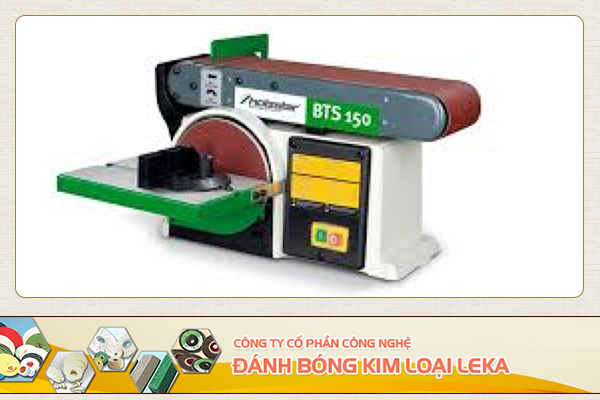
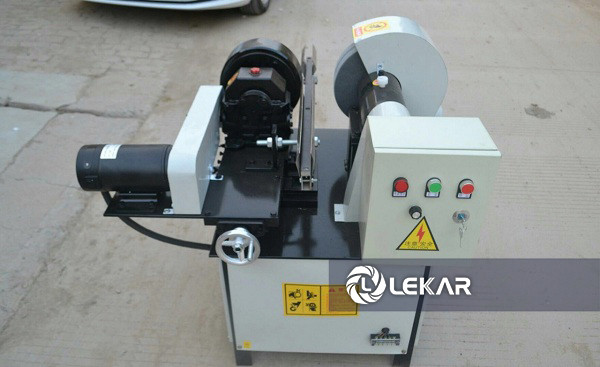
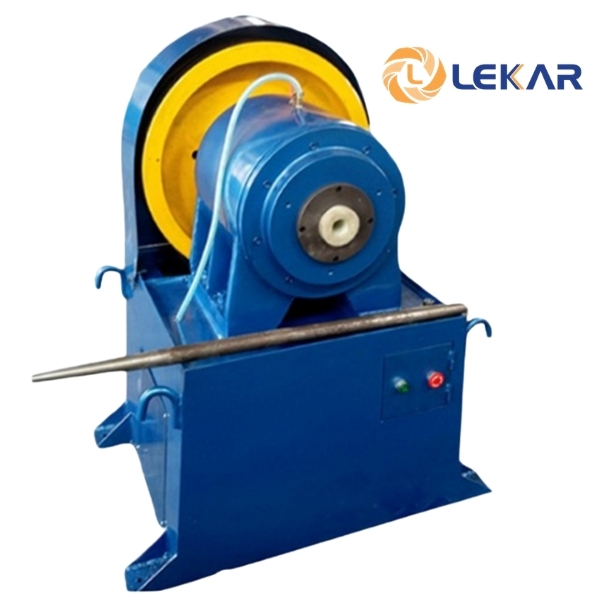
Abrasive belts are typically used in combination with polishing machines.
3. How to choose an abrasive belt for metal polishing to achieve the best results?
One of the key factors affecting polishing quality is selecting the right type of abrasive belt. The operator must determine which abrasive belts correspond to each product surface. For example, rough sanding or grinding metal welds requires a very hard surface, making C-type belts an ideal choice. For finer surfaces, such as stainless steel, Z-type belts are more suitable. Choosing the wrong type at this stage will result in unsatisfactory polishing results.
Once the correct abrasive belt is selected for the surface to be polished, the user must also consider the belt’s quality. Higher-quality abrasive belts have more uniform grains. If the grains are uneven, polishing can produce irregular scratches, causing the operator to spend extra time reworking the surface
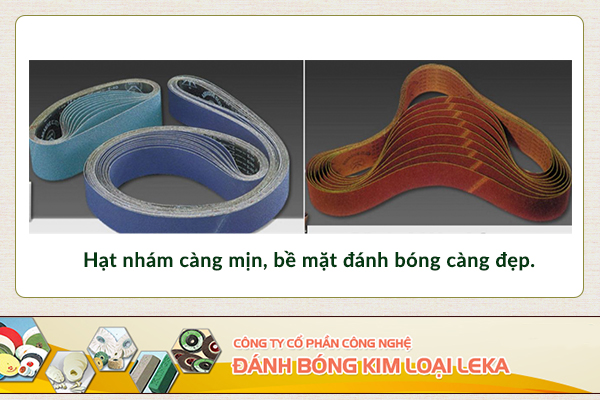
The finer the abrasive grains, the smoother and more polished the surface will be.
High-quality abrasive grains should have the ability to self-sharpen when an individual grain wears down. Although abrasive belts with this feature may cost more than standard belts, they offer greater benefits for manufacturers. Using such belts allows operators to polish easily, achieving consistent results with each pass. A high-performance abrasive belt can maximize productivity and reduce the frequency of belt replacement, thereby increasing efficiency, improving quality, and saving time.
To check the quality of a polished surface, the product can be examined under light to easily detect any scratches.
In addition to the considerations mentioned above when selecting abrasive belts or polishing materials in general, choosing a reputable supplier is crucial. Even if you have limited experience in selecting belts, a reliable supplier can ensure high-quality products.
As one of the leading distributors in Vietnam and a technical expert in abrasive belts, polishing materials, and chemicals, LEKA Polishing Technology Joint Stock Company is a trusted partner for many large manufacturers.
LEKA always maintains a plentiful supply of products with stable quality. Their pricing is reasonable and often serves as a benchmark for other distributors in the market.
If you have any questions about metal polishing abrasive belts or polishing materials and chemicals, users can contact:
Head Office: Unit 11, Louis VII Street, Louis City Urban Area, Xuan Phuong Ward, Hanoi, Vietnam
Northern Branch: Lai Xa Industrial Cluster, Hoai Duc District, Hanoi, Vietnam;
Tel: +84 243 7646 469
Southern Branch: Nam Tan Uyen Industrial Park, Tan Hiep Ward, Ho Chi Minh City, Vietnam;
Tel: +84 287 3033 86
Website: danhbongkimloai.com.vn | lekar.vn
**See more: